


Can't Sleep? What Actually Works for Insomnia (and What Doesn't)
Share
The short answer: for insomnia that has lasted three months or more, the best-supported approach is cognitive behavioural therapy for insomnia (CBT-I), not a pill or a supplement. Major guidelines from the American College of Physicians and the European Sleep Research Society recommend CBT-I first, and it can be done in person or through a digital programme. Supplements such as melatonin, valerian and chamomile have weak or mixed evidence for chronic insomnia.
If you are reading this at 2am, that may not be what you hoped to hear. But CBT-I is drug-free and parts of it can start tonight. Below: what works, which sleep "rules" are myths, where trackers help and hurt, and what research says about melatonin, magnesium and herbs.
What counts as insomnia?
Insomnia means regularly having trouble falling asleep, staying asleep or waking too early, and feeling the effects during the day. The NHS describes insomnia lasting less than three months as short-term and three months or more as long-term (chronic). Short bursts after a stressful week or a long flight are common and often settle; when poor sleep becomes a pattern, the habits and worries around it can keep it going.
Why CBT-I comes first
In its 2016 guideline, the American College of Physicians recommended that "all adult patients receive cognitive behavioral therapy for insomnia (CBT-I) as the initial treatment for chronic insomnia disorder" (strong recommendation, moderate-quality evidence). Medication was positioned as an add-on only if CBT-I alone has not worked, after a discussion of benefits, harms and costs. The 2023 European Insomnia Guideline went further, saying CBT-I should be the first-line option for adults of any age, regardless of other health conditions, and that it may be delivered in person or digitally.
CBT-I usually runs over about six to eight sessions and combines several parts:
- Stimulus control: use the bed only for sleep and sex, keep a fixed wake-up time, and get up if you are lying awake rather than wrestling with it in bed.
- Sleep restriction (or gentler "sleep compression"): matching your time in bed to the sleep you are actually getting, then widening it as sleep becomes more solid. It sounds counter-intuitive, but it builds sleep drive.
- Cognitive work: spotting and challenging thoughts like "if I don't get eight hours, tomorrow is ruined".
- Relaxation skills: slow breathing, progressive muscle relaxation or similar techniques to calm a racing mind.
Sleep restriction can leave you more tired at first, so if you drive for a living or have other health conditions, do it with a clinician. In South Africa, ask your GP for a referral to a psychologist trained in CBT-I, or look at reputable digital programmes.
Sleep hygiene myths worth dropping
Basic sleep habits matter, but some popular advice backfires:
- "Stay in bed and keep trying." Lying awake for long periods teaches your brain that bed is a place for frustration. CBT-I programmes advise getting up, doing something calm in dim light and returning when sleepy.
- "A nightcap helps." The NHS advises avoiding alcohol, caffeine and nicotine in the hours before bed. A drink may make you drowsy, but it is not a sleep aid.
- "Catch up with long naps." Daytime naps reduce sleep pressure and can make the next night harder.
- "Sleep hygiene alone fixes insomnia." Good habits help, but on their own they are usually not enough for chronic insomnia. That is why guidelines recommend full CBT-I.
Sleep trackers, wearables and "orthosomnia"
Smartwatches, rings and sleep apps can help you spot patterns, such as late caffeine or irregular wake times. But researchers use the term "orthosomnia" for the anxiety that comes from chasing a perfect sleep score. In a national survey of 1,280 US adults presented at the 2026 SLEEP meeting, about a third tracked their sleep, and among trackers roughly 31% screened positive for orthosomnia risk (feeling nervous or on edge about their sleep data). This was a conference abstract, so treat the figures as early. Look at trends over weeks, not single nights, and if your score makes you anxious, put the tracker away for a while.
Melatonin: what it can and can't do
Melatonin is a hormone that signals "night" to the body clock. It has some evidence for jet lag, but the US National Center for Complementary and Integrative Health (NCCIH) notes that the American Academy of Sleep Medicine and the American College of Physicians found not enough strong evidence to recommend it for chronic insomnia. The 2023 European guideline states that fast-release melatonin "in general is not effective" for insomnia disorder, while prolonged-release melatonin may be considered for people over 55 for up to three months.
In South Africa, the prolonged-release prescription product Circadin 2 mg is a Schedule 4 medicine, registered for short-term use (up to three weeks) in primary insomnia in people aged 55 and older. Quality is another concern: NCCIH reports that a 2023 analysis found 22 of 25 melatonin gummy products were mislabelled, containing between 74% and 347% of the stated amount. Melatonin is not a sleeping pill for everyday stress, and it should not be given to children without medical advice.
Magnesium glycinate: hype vs data
Magnesium glycinate (bisglycinate) is one of social media's favourite sleep fixes. The best recent trial, published in 2025 in Nature and Science of Sleep, randomised 155 adults with self-reported poor sleep to 250 mg elemental magnesium as bisglycinate or placebo for four weeks. Insomnia severity scores fell slightly more with magnesium (3.9 vs 2.3 points), a difference the authors described as small and modest (effect size 0.2). People with lower dietary magnesium intake seemed to benefit more. Possibly a small help for some, not a game-changer. People with kidney disease should not take magnesium supplements without medical advice.
Valerian, chamomile and other herbs
| Option | What the evidence says | Safety notes |
|---|---|---|
| CBT-I | First-line in major guidelines; strong evidence | Best done with a trained clinician or reputable programme |
| Melatonin | Some help for jet lag; not recommended for chronic insomnia in general | Label accuracy problems; prescription in SA for 55+ |
| Magnesium | One 2025 trial found a small effect | Avoid with kidney disease unless advised |
| Valerian | Inconsistent results; benefit not shown | Long-term safety uncertain |
| Chamomile | Traditionally used; no conclusive trial evidence | Possible allergy in people sensitive to ragweed-family plants |
According to NCCIH, valerian trials "have had inconsistent results, and its value for insomnia has not been demonstrated", and chamomile, though traditionally used as a bedtime tea, has no conclusive evidence from clinical trials. The European guideline does not recommend herbal products for insomnia disorder because of insufficient evidence. A calming ritual is fine, but herbs should not replace proper help for chronic insomnia. Avoid kava, which NCCIH links to sometimes serious liver injury.
For a broader, gentler look at evening routines, see our guide to natural sleep support and what actually helps.
Could it be sleep apnoea?
Not all bad sleep is insomnia. Obstructive sleep apnoea, where breathing repeatedly stops during sleep, is often missed. Warning signs listed by the NHS include loud snoring, gasping, snorting or choking noises, breathing that stops and starts (often noticed by a partner), waking often, morning headaches and extreme daytime tiredness. Untreated, it is linked to high blood pressure, stroke, heart disease and tiredness-related accidents. No supplement addresses sleep apnoea; it needs a proper sleep study.
Where Elevate fits
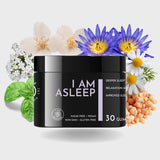
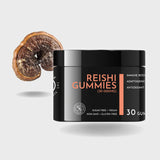
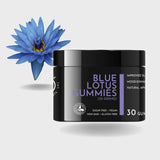
If you enjoy a wind-down ritual, our I AM ASLEEP Gummies combine six evening herbs including chamomile, valerian and blue lotus, which have long been used traditionally in the evening. Reishi Gummies (1000mg reishi extract) and Blue Lotus Gummies (1000mg blue lotus flower extract) are other options with traditional evening use; read more in our reishi and blue lotus ingredient guides. They are not a substitute for CBT-I or medical care. Reishi may interact with blood thinners and blood-pressure medicines, so check with your pharmacist first.
See a doctor if…
- Poor sleep has lasted three months or more, or is affecting work, driving or mood.
- You snore loudly, gasp or stop breathing in your sleep, or fall asleep during the day without meaning to.
- You have restless, uncomfortable legs in the evening, or pain that keeps you awake.
- Low mood, anxiety or racing thoughts are driving your sleeplessness. SADAG's helpline is 0800 567 567.
- You are relying on alcohol, sleeping pills or someone else's medication to sleep.
- You feel unsafe or have thoughts of harming yourself: call 112 or 10177 for emergencies, or SADAG on 0800 567 567.
Frequently asked questions
What is the fastest way to fix insomnia?
There is no instant fix for chronic insomnia. CBT-I usually takes several weeks but produces lasting change. Sleeping pills may help short term but are generally recommended only for brief periods because of side effects and dependence.
Is melatonin available over the counter in South Africa?
Prescription prolonged-release melatonin (Circadin 2 mg) is Schedule 4 in South Africa and registered for people 55 and older. Before using any melatonin product, ask your pharmacist, particularly if you take other medication.
Does magnesium glycinate help you sleep?
A 2025 randomised trial in 155 adults found a small improvement in insomnia scores compared with placebo. It may help some people a little, especially those with low magnesium intake, but it is not a replacement for CBT-I.
Can my smartwatch make my sleep worse?
It can if the data makes you anxious. Researchers call this orthosomnia. Look at long-term trends and take a break from tracking if it is adding stress.
Sources
- Qaseem A, Kansagara D, Forciea MA, et al. Management of Chronic Insomnia Disorder in Adults: A Clinical Practice Guideline From the American College of Physicians. Annals of Internal Medicine, 2016. PDF
- Riemann D, Dressle RJ, Spiegelhalder K. Insomnia Guidelines: The European Update 2023. Clinical and Translational Neuroscience, 2024. mdpi.com
- NHS. Insomnia. nhs.uk
- Sleep Foundation. Cognitive Behavioral Therapy for Insomnia (CBT-I), updated 2026. sleepfoundation.org
- Goel, Quan, Ejikeme, et al. Exploring the Prevalence of Sleep Tracking and Orthosomnia in a National Survey of Adults in the US (abstract 0553). SLEEP, 2026. academic.oup.com
- National Center for Complementary and Integrative Health. Melatonin: What You Need To Know, 2024. nccih.nih.gov
- SAHPRA. Circadin 2 mg professional information (Schedule 4). sahpra.org.za
- Schuster J, Cycelskij I, Lopresti A, Hahn A. Magnesium Bisglycinate Supplementation in Healthy Adults Reporting Poor Sleep: A Randomized, Placebo-Controlled Trial. Nature and Science of Sleep, 2025. europepmc.org
- National Center for Complementary and Integrative Health. Sleep Disorders: In Depth, 2024. nccih.nih.gov
- NHS. Sleep apnoea. nhs.uk
This article is for general information only and isn't medical advice. Elevate gummies are food supplements and are not intended to diagnose, treat, cure or prevent any disease. Speak to your doctor or pharmacist before starting any supplement, especially if you are pregnant, breastfeeding, taking medication or have a medical condition.
1 comment
I love these products! I was struggling to sleep with nothing really working, but within minutes of taking Blue Lotus gummies I was calm and drifted right of to sleep. 11/10 would recommend!