Ashwagandha Side Effects: Who Should Avoid It and Is It Safe?
Share
For most healthy adults, ashwagandha appears to be well tolerated in the short term (up to about three months), and the usual side effects are mild: stomach upset, loose stools, nausea and drowsiness. But it is not for everyone. People who are pregnant or breastfeeding, have a thyroid or autoimmune condition, take sedatives, thyroid, diabetes, blood-pressure or immune-suppressing medicines, have liver disease or have surgery coming up should avoid it or speak to a doctor first. Rare cases of liver injury have also been reported.
Ashwagandha (Withania somnifera) is one of the most popular herbal supplements in the world, thanks to its traditional use in Ayurveda and a growing number of studies on stress and sleep. Its popularity has also brought more safety reports and, in Europe, regulators taking a closer look. Here is a balanced look at what the evidence says.
Common side effects of ashwagandha
According to the US National Institutes of Health (NIH) Office of Dietary Supplements, the most common side effects are mild and include:
- Stomach upset or abdominal discomfort
- Loose stools or diarrhoea
- Nausea (and, less often, vomiting)
- Drowsiness
Taking it with food may help. If drowsiness is a problem, many people move it to the evening. Our guide on when to take ashwagandha, morning or night covers timing in more detail.
Is ashwagandha safe? What the clinical trials show
A 2026 systematic review in Pharmaceuticals pooled 23 randomised trials with 2,317 healthy adults who took standardised, single-ingredient ashwagandha root extract at 125 to 600 mg a day, for anything from a single dose to 180 days. Liver, kidney, blood, hormone and heart markers stayed within normal ranges, no serious adverse events were attributed to ashwagandha, and mild effects such as stomach discomfort, headache and drowsiness happened in both the ashwagandha and placebo groups.
That is reassuring, but there are important limits:
- The trials were short. The authors themselves note there is little data beyond 180 days.
- Trials usually exclude the people most at risk: pregnant women, people with liver, thyroid or autoimmune disease, and people on multiple medicines.
- Rare reactions, such as liver injury, are unlikely to show up in trials of a few hundred people.
The NIH and the US National Center for Complementary and Integrative Health (NCCIH) both say ashwagandha may be safe for up to about three months, and that its long-term safety is not known.
Ashwagandha and liver injury
This is the side effect that worries people most, and it is real, though rare. LiverTox, the US National Library of Medicine's database on drug- and supplement-related liver injury, rates ashwagandha as a "likely cause" of clinically apparent liver injury (likelihood score B). Its December 2024 update describes about 23 published cases, with more being reported since 2017.
- Timing: liver injury typically appeared 2 to 12 weeks after starting ashwagandha.
- Pattern: mostly cholestatic or mixed injury, with jaundice (yellow skin or eyes) and itching.
- Outcome: most cases were mild to moderate and resolved within 1 to 4 months of stopping. Rare cases were fatal or needed an urgent liver transplant.
A 2026 scoping review in Cureus found 13 publications describing 25 patients worldwide. Most improved after stopping the supplement, but one person developed acute liver failure needing a transplant, and three deaths occurred in people who already had cirrhosis (liver scarring). The cause is not fully understood; LiverTox notes that compounds called withanolides are suspected.
What this means for you: if you have any liver condition, drink heavily or take medicines that affect the liver, avoid ashwagandha unless your doctor says otherwise. If you take it and notice any of the warning signs in the "See a doctor if" section below, stop and get checked.
Why did Denmark ban ashwagandha?
Denmark banned ashwagandha in food supplements in 2023, following a 2020 risk assessment, according to the NIH. In 2024, France's food safety agency ANSES issued a statement recommending against ashwagandha for certain groups, including pregnant and breastfeeding women.
It is worth being clear about what these decisions do and do not mean. They are precautionary regulatory decisions, not proof that ashwagandha is harmful for every healthy adult. Ashwagandha remains legal and widely sold in South Africa, the US, the UK and many other countries. But the European caution is a good reason to respect the "who should avoid it" list below.
Who should avoid ashwagandha?
| Group | Why |
|---|---|
| Pregnant or breastfeeding | NCCIH advises avoiding it in pregnancy and while breastfeeding. Older texts describe it as a possible abortifacient; a 2026 review found this claim poorly supported, but there is no human safety data in pregnancy. |
| Thyroid conditions or thyroid medication | An 8-week trial in 50 people found 600 mg a day raised thyroid hormones (T3, T4) and lowered TSH compared with placebo. Three case reports describe thyrotoxicosis (an overactive thyroid). |
| Autoimmune conditions | NCCIH says it is not recommended for people with autoimmune disorders (for example lupus, rheumatoid arthritis or Hashimoto's), and Memorial Sloan Kettering notes it may trigger or worsen them. |
| Surgery coming up | NCCIH says it is not recommended for people about to have surgery. Tell your surgeon and anaesthetist about every supplement you take, and stop when they advise. |
| Liver disease | Rare liver injury cases, including deaths in people with cirrhosis. |
| Hormone-sensitive prostate cancer | Ashwagandha may raise testosterone levels. |
Ashwagandha and medicine interactions
The NIH and NCCIH list possible interactions with:
- Sedatives and sleeping tablets: such as benzodiazepines, barbiturates and anticonvulsants. Ashwagandha has calming, GABA-related effects and may add to drowsiness.
- Thyroid hormone medication: such as levothyroxine (Eltroxin), because ashwagandha may raise thyroid hormone levels.
- Diabetes medicines: blood sugar may drop further.
- Blood-pressure medicines: blood pressure may drop further.
- Immunosuppressants: such as those used after a transplant or for autoimmune disease. Memorial Sloan Kettering Cancer Center lists a case report of kidney transplant rejection.
- Other medicines processed by the liver: Memorial Sloan Kettering notes ashwagandha may affect the liver enzymes CYP3A4 and CYP2B6, which process many drugs.
If you take any chronic medication, ask your pharmacist before starting.
How long can you take ashwagandha?
Most trials have been short, from a few weeks to about three months; the longest in the 2026 review lasted 180 days. That is why the NIH and NCCIH describe ashwagandha as possibly safe for up to about three months, with long-term safety unknown. A sensible approach many practitioners use:
- Take it for 8 to 12 weeks, then take a break of a few weeks and see how you feel without it.
- Stick to the dose on the label. More is not better.
- Avoid stacking several products that all contain ashwagandha (blends often include it).
- If you plan to use it long term, ask your doctor about checking liver and thyroid blood tests.
Ashwagandha has been studied for stress, cortisol and sleep, with mostly small, short trials. If you are curious about those findings, read our article on cortisol and what TikTok gets wrong.
See a doctor if…
Stop taking ashwagandha and see a doctor promptly if you notice:
- Yellowing of the skin or eyes, dark urine or pale stools
- Unusual itching all over, severe tiredness, nausea or pain in the upper right side of your tummy
- A racing or pounding heart, tremor, unexplained weight loss, heat intolerance or anxiety (possible thyroid effects)
- Excessive drowsiness, especially if you take other sedating medicines
- A rash, swelling or difficulty breathing (call 112 or 10177 in an emergency)
If you are taking ashwagandha for stress and you are struggling with low mood or anxiety that affects daily life, please speak to a doctor or call SADAG on 0800 567 567. A supplement is not a substitute for proper care.
Where Elevate fits
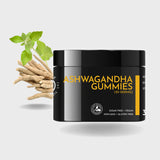
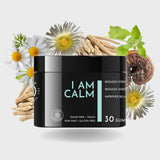
Our Ashwagandha Gummies contain 1000mg ashwagandha root extract per gummy, and I AM CALM Gummies combine ashwagandha with sceletium, reishi and chamomile. Ashwagandha is traditionally used in Ayurveda to support a sense of calm. Extracts differ in strength, so milligram amounts are not directly comparable with the standardised extracts used in trials. Everything in this article applies: do not use them if you are pregnant or breastfeeding, have a thyroid, autoimmune or liver condition, or take sedatives or thyroid medication, and do not combine I AM CALM with antidepressants because it contains sceletium. Not sure what suits you? Try Find your gummy.
Frequently asked questions
Is ashwagandha bad for your liver?
For most people, no, but rare cases of liver injury have been reported, usually 2 to 12 weeks after starting. Most recovered after stopping. Avoid it if you have liver disease, and stop if you notice jaundice, dark urine or severe itching.
Can ashwagandha affect your thyroid?
Yes. A small trial found it raised thyroid hormone levels, and there are case reports of an overactive thyroid. If you have a thyroid condition or take thyroid medication, speak to your doctor first.
Is ashwagandha banned in South Africa?
No. It is legal and widely sold in South Africa. Denmark banned it in supplements in 2023, and France has advised certain groups not to use it.
Can I take ashwagandha every day?
Studies support daily use for up to about three months. Long-term safety is unknown, so many people take a break after 8 to 12 weeks.
Can I take ashwagandha with antidepressants?
Ask your doctor first. Ashwagandha may add to sedation from some medicines, and many calming blends (including I AM CALM) also contain sceletium, which should not be combined with antidepressants.
Does ashwagandha make you sleepy?
It can. Drowsiness is one of the most common side effects, which is why some people prefer to take it in the evening.
Learn more about the herb in our ashwagandha ingredient guide.
Sources
- National Institute of Diabetes and Digestive and Kidney Diseases. LiverTox: Ashwagandha. NCBI Bookshelf, updated 2024. ncbi.nlm.nih.gov
- NIH Office of Dietary Supplements. Ashwagandha: Fact Sheet for Health Professionals. 2025. ods.od.nih.gov
- National Center for Complementary and Integrative Health. Ashwagandha. 2023. nccih.nih.gov
- Memorial Sloan Kettering Cancer Center. Ashwagandha (About Herbs). mskcc.org
- Coope OC, et al. Back to the roots: safety and tolerability of standardised ashwagandha (Withania somnifera) root extract in healthy adults. A systematic review of biomarkers and adverse events. Pharmaceuticals, 2026. doi.org/10.3390/ph19050725
- McIntyre D, et al. Ashwagandha (Withania somnifera)-associated liver injury: a scoping review of clinical characteristics and safety considerations. Cureus, 2026. doi.org/10.7759/cureus.109764
- Tallon MJ, et al. A systematic and ethnobotanical review of ashwagandha's (Withania somnifera) teratogenic and abortifacient potentials. Phytotherapy Research, 2026. doi.org/10.1002/ptr.70079
This article is for general information only and isn't medical advice. Elevate gummies are food supplements and are not intended to diagnose, treat, cure or prevent any disease. Speak to your doctor or pharmacist before starting any supplement, especially if you are pregnant, breastfeeding, taking medication or have a medical condition.